

As a Catholic therapist, I’m a big fan of taking as much responsibility as you can. I see this practice do wonderful things for the couples I work with, and it’s also changed my own life. The vast majority of the time, our fallen human nature is all too quick to blame others or unfortunate circumstances for our poor behavior. After all, for most of us, facing up to our own shortcomings and mistakes can be quite painful. Not to mention, things are rarely 100% our fault since our relationships are made up of two imperfect people.
That being said, particularly in devout Catholic circles, sometimes we can swing too far in the opposite direction. We end up accepting more blame for a situation than is truthful or helpful. When we cross the line from humble admission of guilt into excessive psychological self-martyrdom, the harm we do isn’t just to ourselves. We hurt the people whose faults we took on, as well, by encouraging scandal.
What is Scandal?
Scandal is the sin of leading others to sin, either actively or passively. Oftentimes, when we think about scandal we’re more likely to picture the active version: dressing provocatively to draw others’ attention, mistreating someone to get a reaction from them, enticing others into overindulgence, etc. However, the passive side of scandal cause just as much damage.
When we take on too much responsibility in a situation, we can commit the sin of scandal by allowing the other person to continue in his or her poor behavior. In response to this risk, the Church upholds fraternal correction as one of the seven spiritual works of mercy, under the title “Admonishment of the Sinner”:
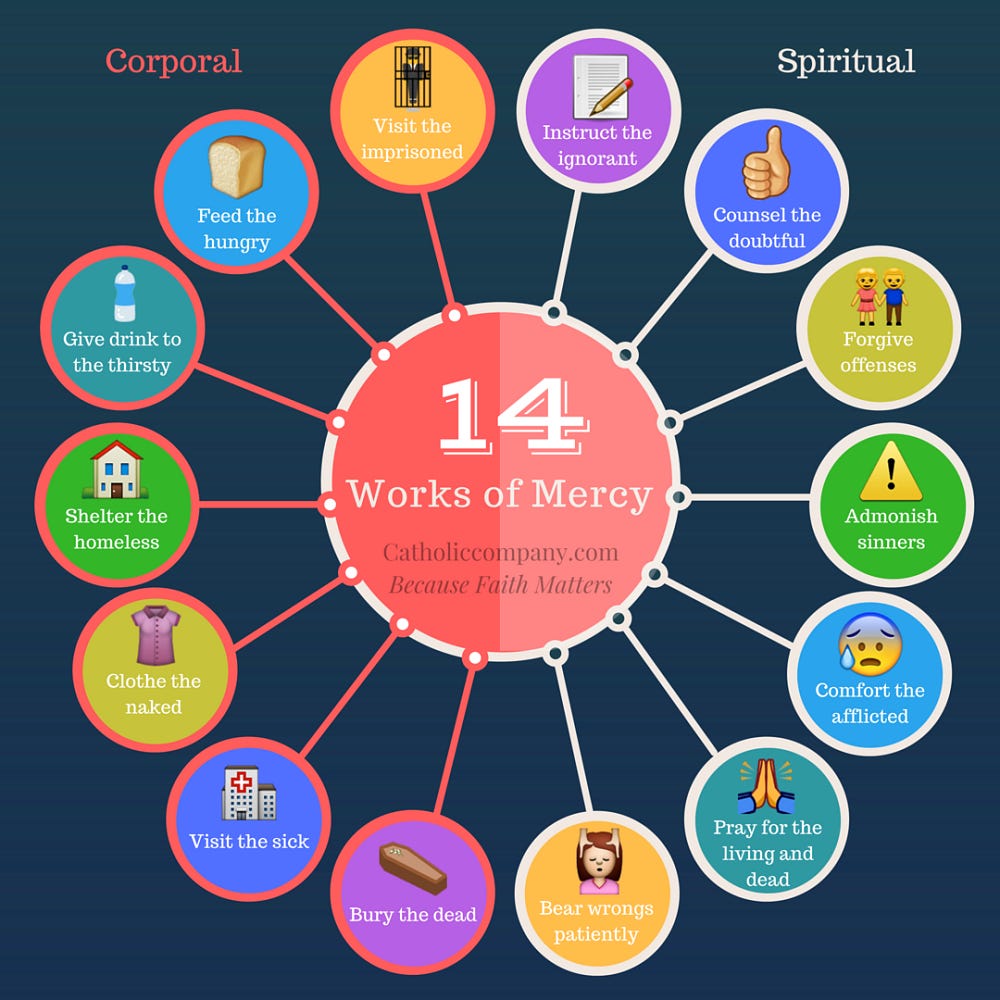
In other words, correction of others is considered a foundational expression of love for God and neighbor, similar to feeding the hungry or forgiving others. Since pure charity is about willing the good of the other person, we can’t love someone properly while preventing him from one of the most fruitful spiritual opportunities: recognizing, repenting for and growing from his mistakes. By avoiding the controversy of confrontation, we scandalize our struggling brother as we help foster an environment in which his harmful behavior can continue relatively unimpeded.
Why We Choose Excessive Self-Blame
The reasons we may avoid confronting others’ misbehavior are numerous. Sometimes we do it to avoid feeling selfish for standing up for ourselves, such as in the case of leaving a physically abusive marriage. At other times, we simply want to avoid the pain of an uncomfortable confrontation. We may also use self-blame to protect ourselves from beliefs that our psyches deem even more painful and dangerous, such as the realization that other people are flawed (and capable of real evil), and we can’t fix them. The world can feel a lot simpler to the broken parts of us if everyone else is perfect and we’re always the problem, since at least we have more control over ourselves than we do other people.
A confrontation with the evil in others’ hearts is a scary thing since it’s an evil we often can’t predict, let alone control.
Striking a Holy Balance
However, walking the tightrope between irresponsibility and excessive self-blame is can be tricky. The most helpful rule of thumb I’ve found is to ask myself this question, particularly before deciding how to address an issue with someone else:
“Am I doing this purely out of love for God and the other person, or do I have another motive?”
If I’m taking the blame or not, if I’m offering correction or not, am I doing so because I want what’s best for the other person? As St. Paul teaches us in 1 Corinthians, love abides in the truth, but it also “keeps no record of wrongs”. Love is patient and trusting.
Our Obligation to Correct One Another
After prayerfully discerning your motives, only then can you make an informed decision about how to address your spouse’s or another loved one’s sins. The Baltimore Catechism (Q. 814) makes this suggestion for fraternal admonishment:
“We are obliged to admonish the sinner and to try to persuade him to turn from evil and to practice virtue whenever prudence dictates. We are not obliged to do so when, for example, we judge that our words will not be heeded or that greater harm will follow. Persons in authority, for example, parents and teachers, have a greater obligation in this regard. Sinners may be admonished not only by kind words but by good example.”
So, if we can improve the situation via correction, we likely should try, even if only by setting a virtuous example in our own behavior. Leading by example can be particularly helpful in marriage, as an excess of verbal critique often does more to deteriorate the marriage than benefit the sinner.
Thus, if we can reserve our direct and verbal feedback for more serious issues, while addressing the smaller issues by cleaning up our own behavior first, we’ll not only preserve the sense of safety and trust in our marriages but will also ensure we are living as holy lives as we can, even in imperfect circumstances. Not to mention, when we do occasionally verbalize our concerns, our words will carry greater weight because of our prudent discernment of when and how to admonish one another lovingly.
Keep doing the Lord’s work!
~ Cameron